Phone Dropped in Toilet: Disinfection and Emergency Rescue Guide
 By Lucas Silva
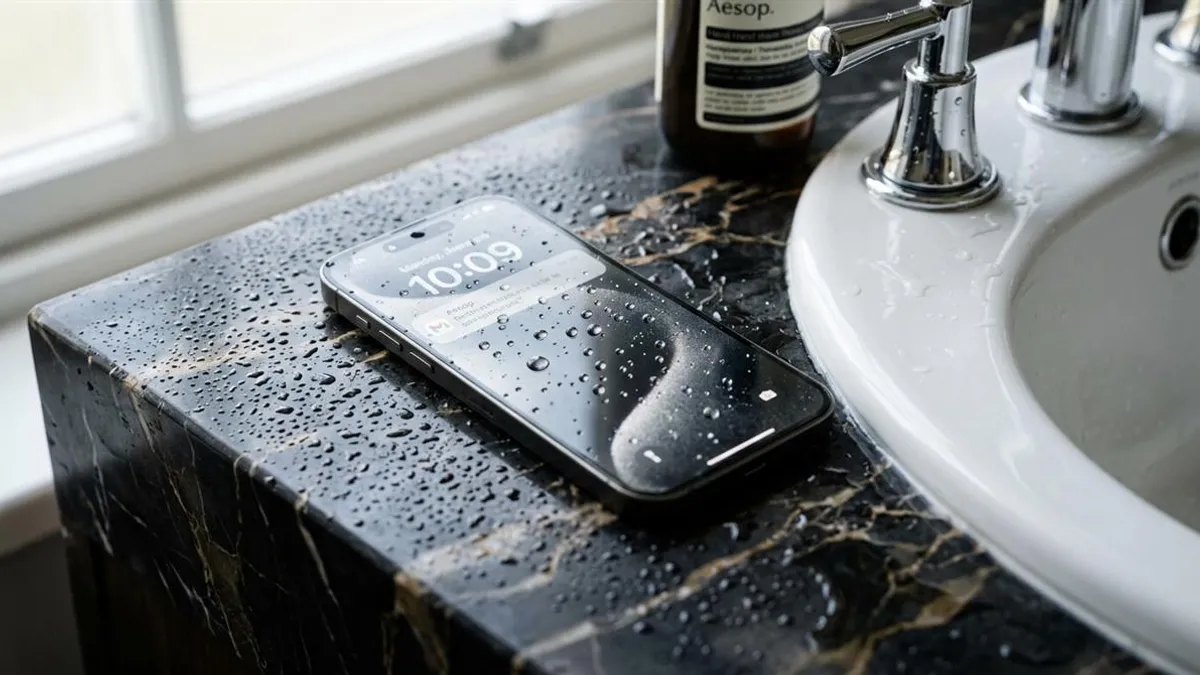
⚡ Bench Diagnostic Summary:
Dropping a smartphone into a toilet bowl triggers a unique combination of emotional panic, biological contamination concerns, and immediate electrical short-circuit risk. Rescuing the handset requires balancing rigorous bacterial disinfection with gentle hardware care: never submerge it in bleach or boil it; follow our two-stage medical-grade sanitization and acoustic ejection protocol.
First 10 Seconds of Panic: Retrieve, Power Off, and Strip Cases
It happens thousands of times every single day: your phone slips out of a back pocket, misses the counter, and lands directly at the bottom of the toilet bowl. In this critical moment, you must overcome disgust immediately and act. Reaching in and retrieving the device within 3 seconds versus hesitating for 30 seconds can mean the difference between an intact rubber gasket defense and a flooded logic board.
The instant the phone leaves the bowl, press and hold the power button to shut it down completely. Do not swipe the screen, do not inspect notifications, and do not test whether audio works. Strip off phone cases immediately; silicone and leather cases trap biological toilet water against the frame, forcing contaminated liquid into microphone ports and SIM trays. Follow the broader first 5 minutes water recovery protocol to secure the hardware.
How to Disinfect the Phone Without Destroying Screen Coatings
Once the device is powered down, owners often make a disastrous mistake: soaking the phone in bleach, spraying it with Lysol aerosol cans, or submerging it in hydrogen peroxide. These aggressive chemicals destroy the factory oleophobic (oil-repellent) fluoropolymer coating bonded to your smartphone's glass display, leaving the screen permanently smudged and hazy.
The correct, laboratory-verified sanitization chemical is 70% Isopropyl Alcohol (IPA). Why 70% rather than 99%? In microbiological physics, 70% alcohol contains just enough water to slow evaporation, allowing the alcohol to penetrate and rupture bacterial cell walls before it dries. Dampen a clean microfiber cloth with 70% IPA — never pour liquid directly onto the device — and wipe every exterior surface, paying close attention to frame edges and camera bumps. Never insert alcohol-soaked swabs into charging ports.
What If the Toilet Contained Bleach or Blue Chemical Cleaner Blocks?
Bleach in the bowl? Blue toilet cleaner blocks? That changes everything. Regular toilet water is gross but mostly harmless to circuits. Chemical toilet water is a completely different beast — sodium hypochlorite eats through silicone seals in minutes and triggers galvanic corrosion on the copper charging pins almost instantly.
Get it out, kill the power. Dampen a clean microfiber with plain tap water and wipe down every surface to dilute those acids before they chew deeper. Immediately dry with a second clean towel. Failure to neutralize chemical cleaners will cause speaker membranes to disintegrate within 48 hours.
Toilet Drop Chemical Risk & Cleaning Protocol
Here is how different toilet water conditions dictate emergency hardware triage:
| Toilet Environment | Liquid Toxicity | Primary Hardware Hazard | Sanitization Step |
|---|---|---|---|
| Clean Water (Unused Bowl) | Low biological | Normal tap water mineral corrosion | 70% IPA wipe + Fan airflow |
| Chemically Treated (Bleach / Blue) | Extreme chemical | Acidic seal destruction & fast oxidation | Fresh water wipe dilute + 70% IPA |
| Biologically Contaminated | High biological | Organic particulate clogging & moisture trapping | Rigorous 70% IPA dual-stage wipe |
Clearing Speaker Chambers with 165Hz Acoustic Waves
After disinfecting the exterior, liquid will remain trapped inside the microscopic acoustic cavities of your bottom speakers and top earpiece. Once the exterior is sanitized and dry, launch our free Water Eject 165Hz sound cleaner at 100% volume with speakers pointed downward toward a paper towel.
The acoustic wave will physically fling out contaminated droplets from behind the mesh before bacteria and minerals can settle and harden. If the phone was submerged for more than 10 seconds and refuses to power back on, consult our bench diagnostic guide on handling a phone dropped in water that won't turn on before spending money on replacements.
How to Sanitize Without Ruining the Finish
Nobody wants to hold a toilet-dropped phone to their ear without sanitizing it. But rubbing alcohol strips the oleophobic coating and stains metal. Here is how I clean each material:
- Titanium Frames (iPhone 15/16 Pro, Galaxy S24/S25 Ultra): Pure titanium handles moisture well, but the PVD finish reacts to alcohol with weird rainbow smudges. Not permanent — wipe with a damp microfiber and the matte tone comes right back. Wipe gently with a dry microfiber cloth after 70% IPA sanitization to restore natural color.
- Polished Stainless Steel (iPhone X to 14 Pro): Highly resistant to chemical cleaners, but abrasive paper towels will scratch mirror finishes. Use only woven microfiber towels.
- Anodized Aluminum (Standard iPhones, Galaxy A series, Pixels): Aluminum reacts poorly to acidic toilet cleaners and alkaline bleach. If toilet water contained bleach, rinse the frame immediately with fresh water before aluminum oxidizes into chalky white pits.
- Matte Frosted Rear Glass: Frosted glass easily traps biological odors. Use 70% isopropyl alcohol wipes twice across the textured back glass to fully neutralize odor-causing bacteria.
Frequently Asked Hardware Questions
Can I use bleach or household disinfectant sprays on my wet phone?
No! Bleach and strong household spray cleaners contain corrosive chlorine and ammonia compounds that destroy oleophobic screen coatings and oxidize aluminum frames.
What is the safest chemical to disinfect a toilet-dropped phone?
70% isopropyl alcohol wipes. 70% alcohol effectively dissolves bacterial cell membranes while evaporating cleanly without leaving conductive chemical residues.
What if the toilet bowl contained chemical cleaning blocks or bleach?
Chemical cleaning blocks dramatically increase liquid conductivity and corrosion speed. Wipe the exterior gently with a clean cloth dampened with fresh tap water, dry immediately, and power off.
Written by Lucas Silva
Senior Audio Acoustics Engineer & Smartphone Hardware Specialist
Lucas Silva specializes in micro-soldering diagnostics, acoustic resonance calibration, and liquid ingress recovery across iOS and Android hardware architectures with 7+ years of bench laboratory experience.
Connect on Official LinkedIn